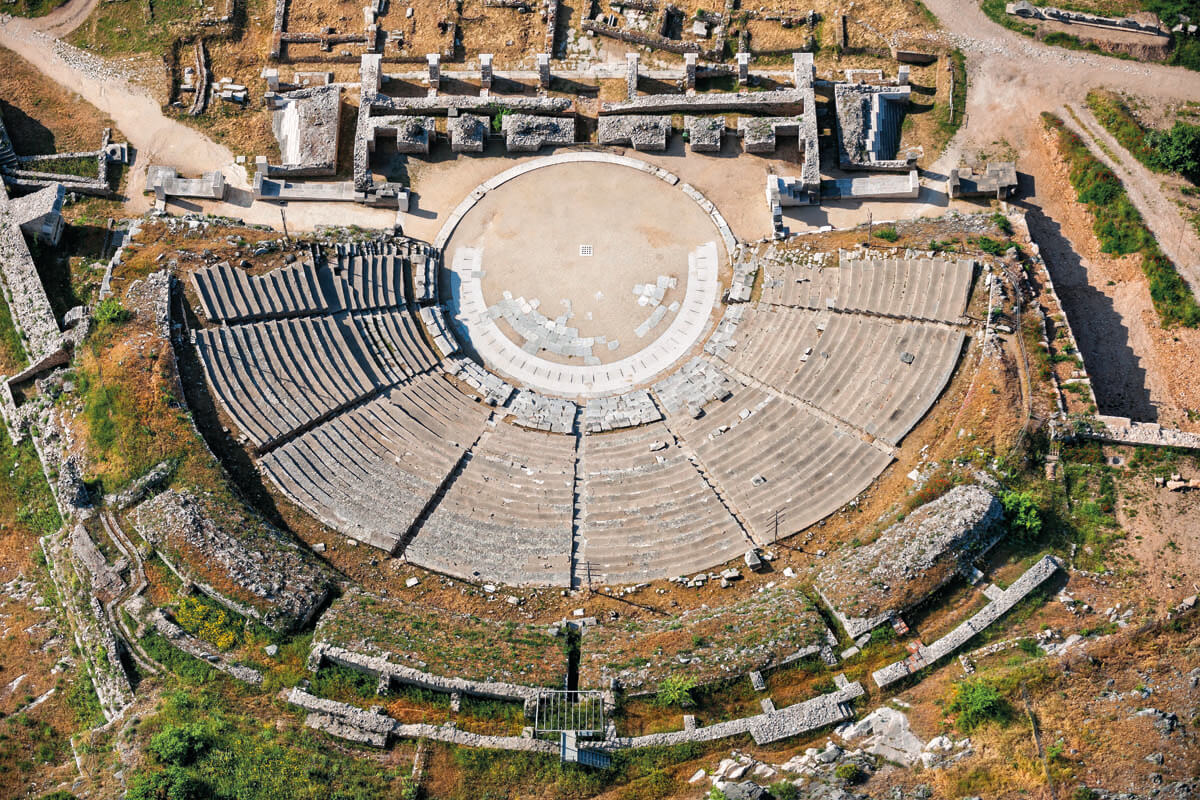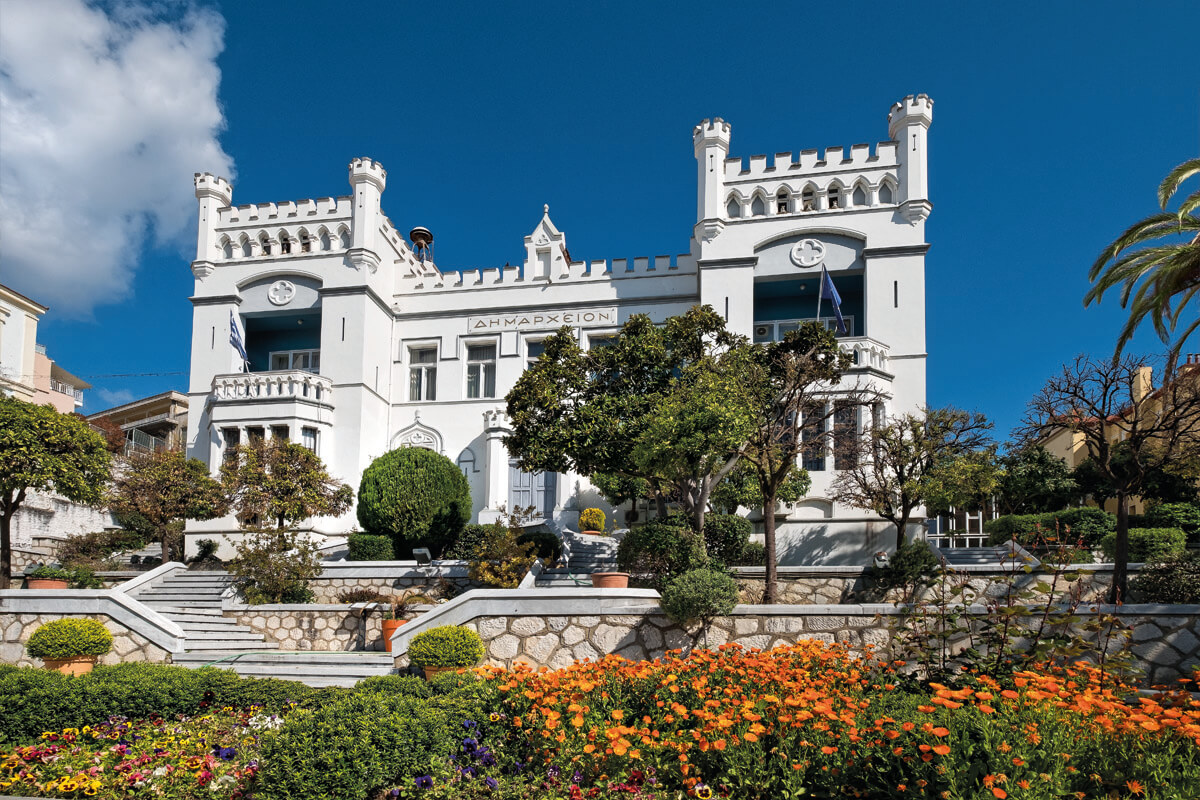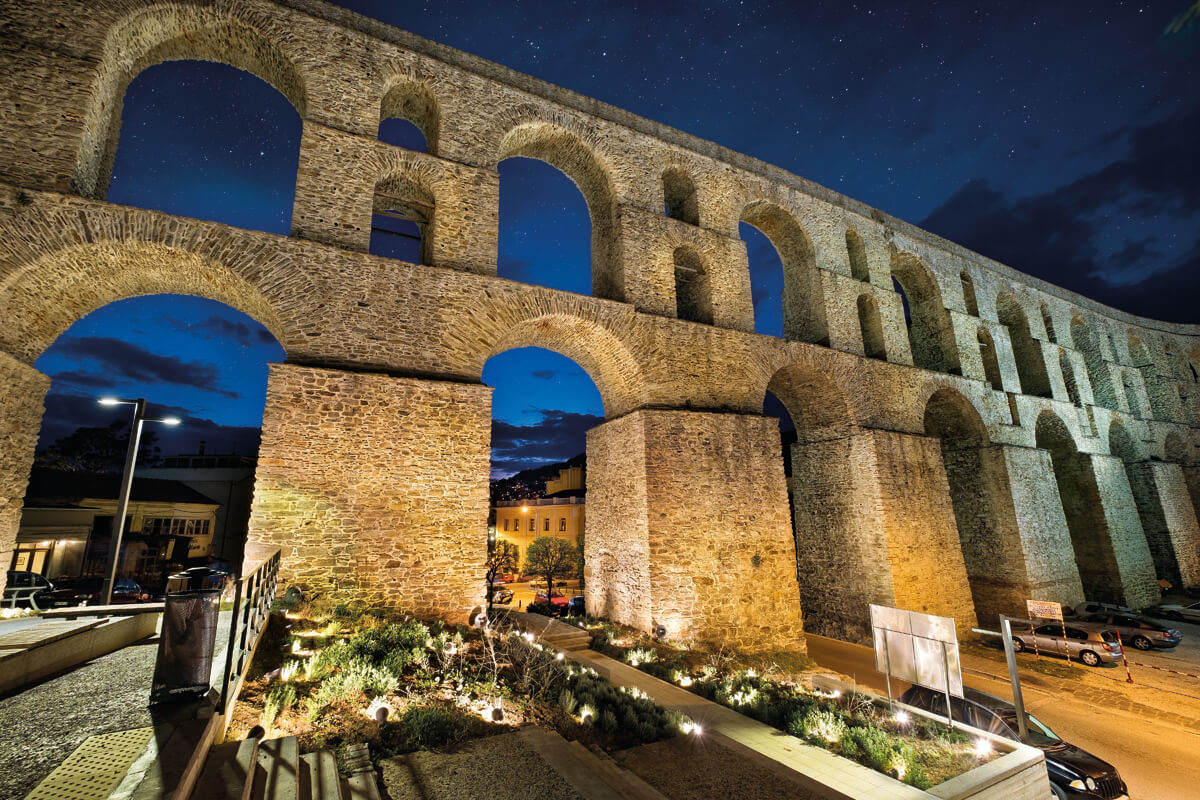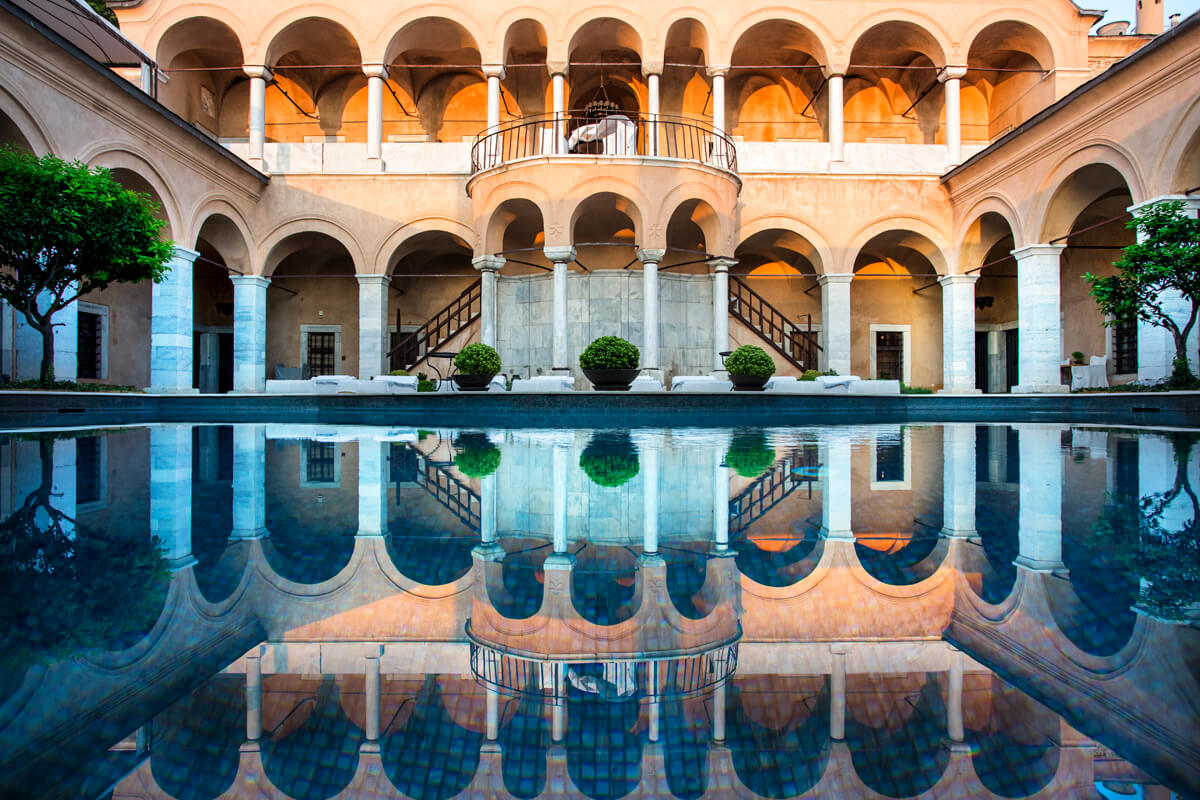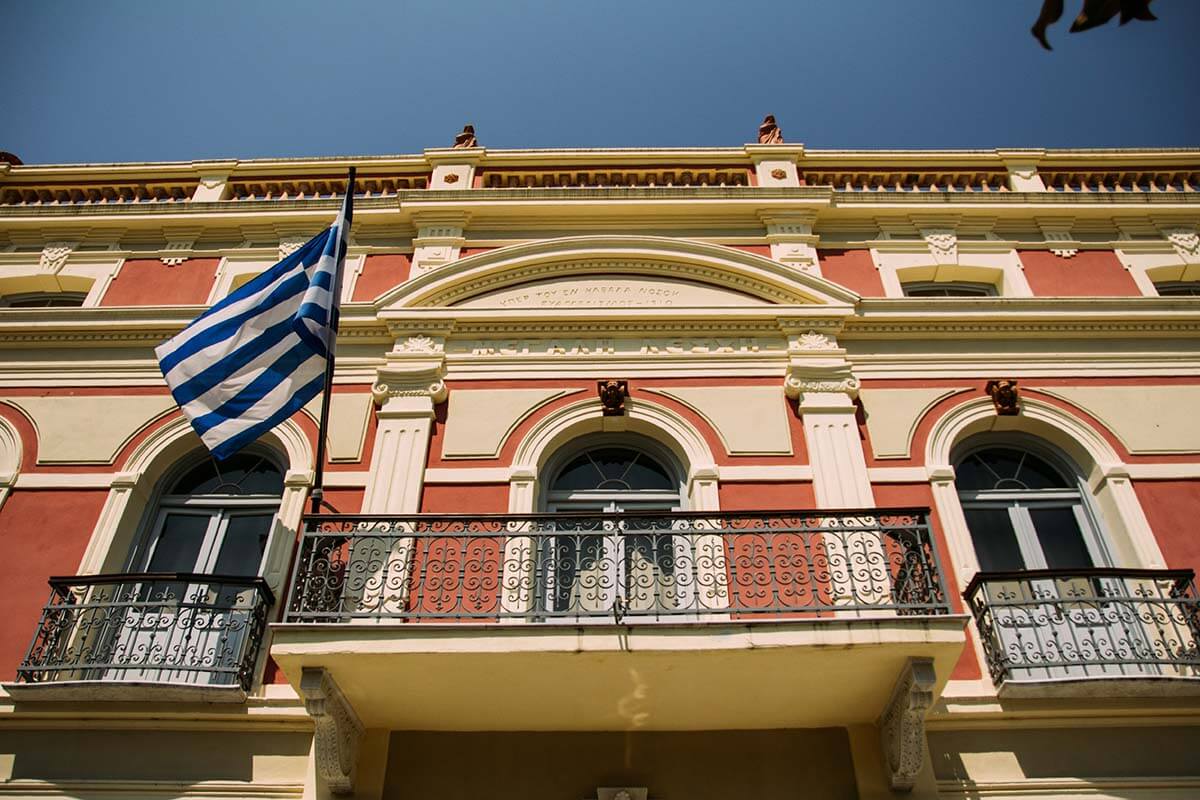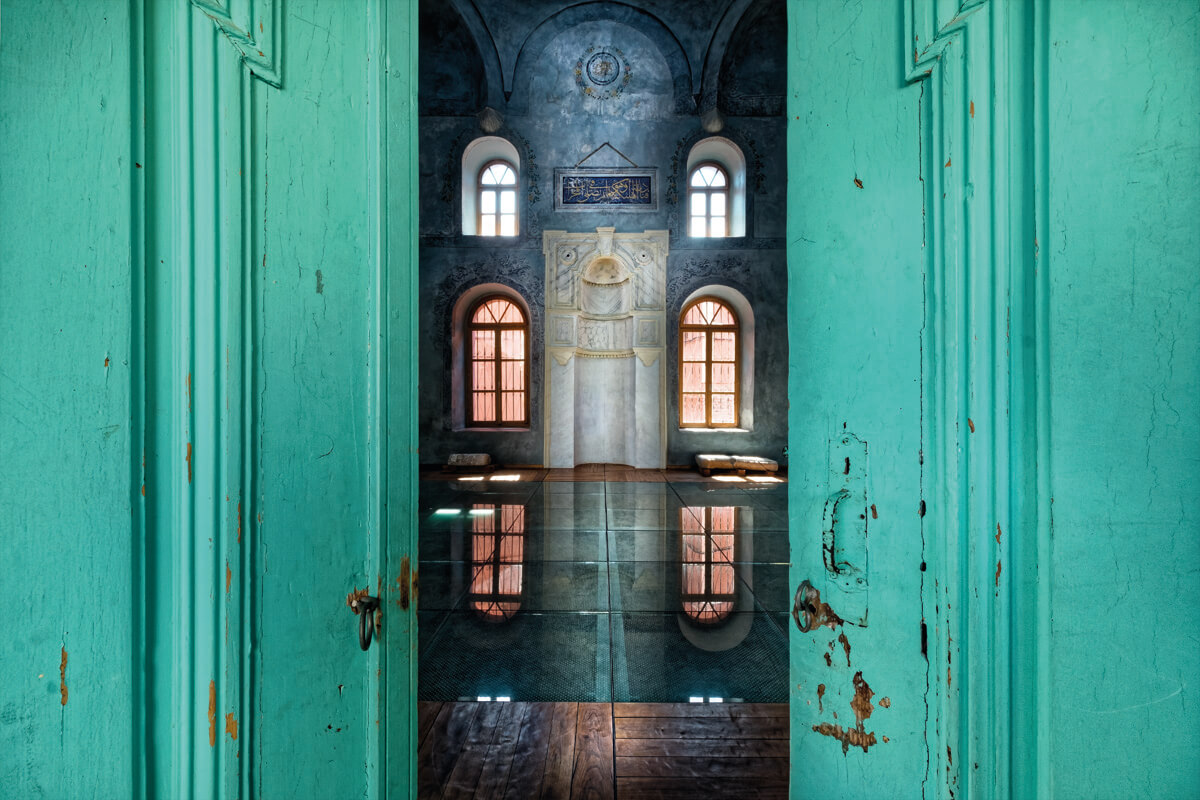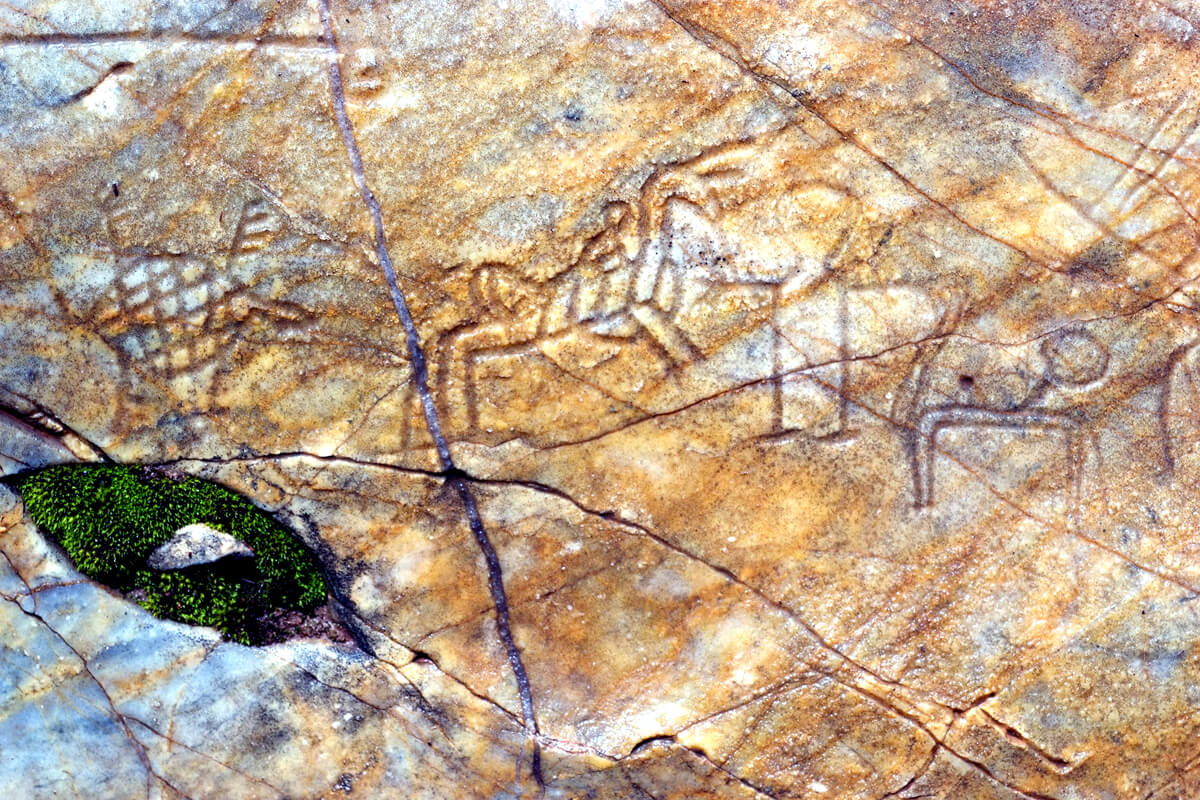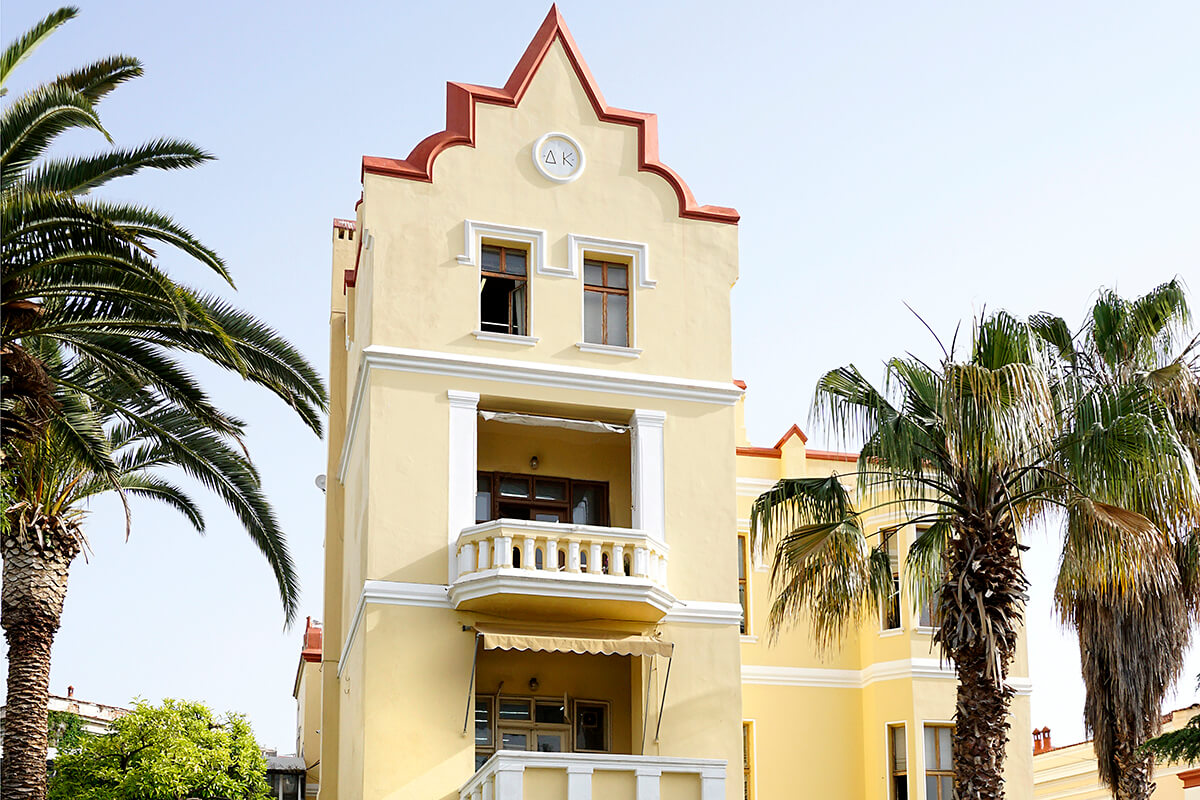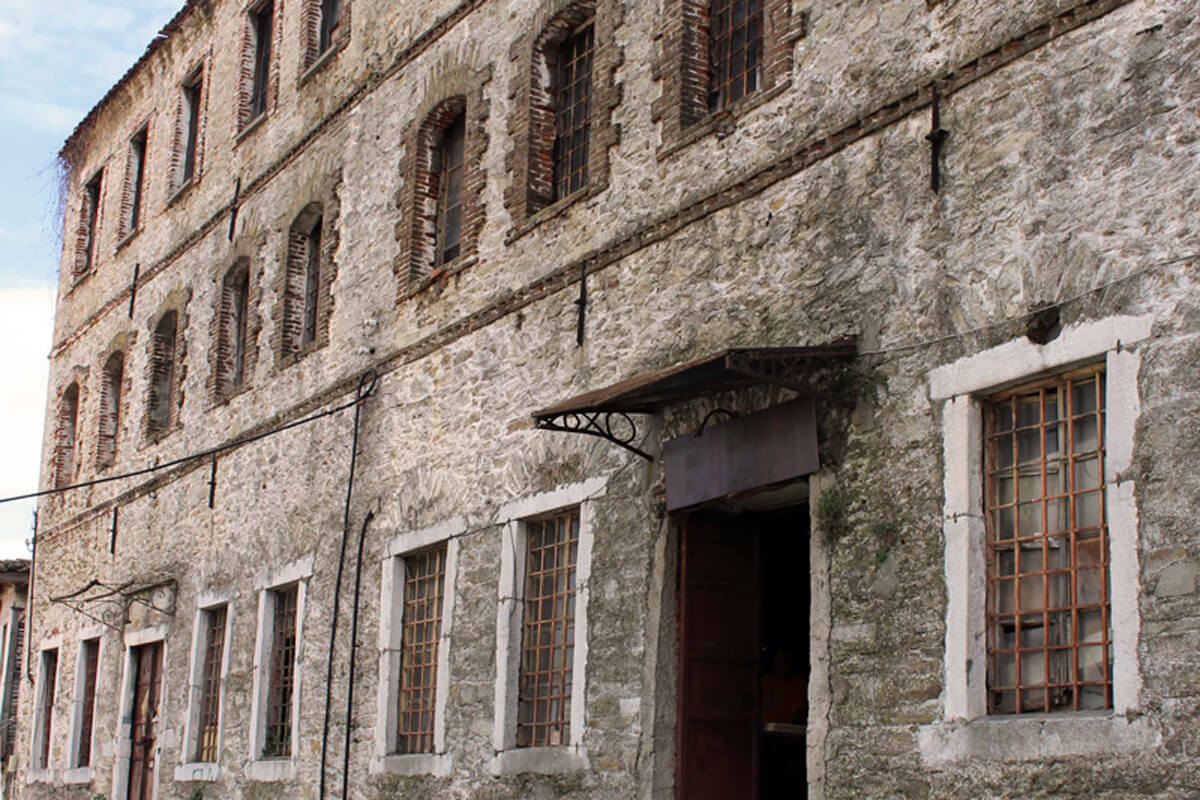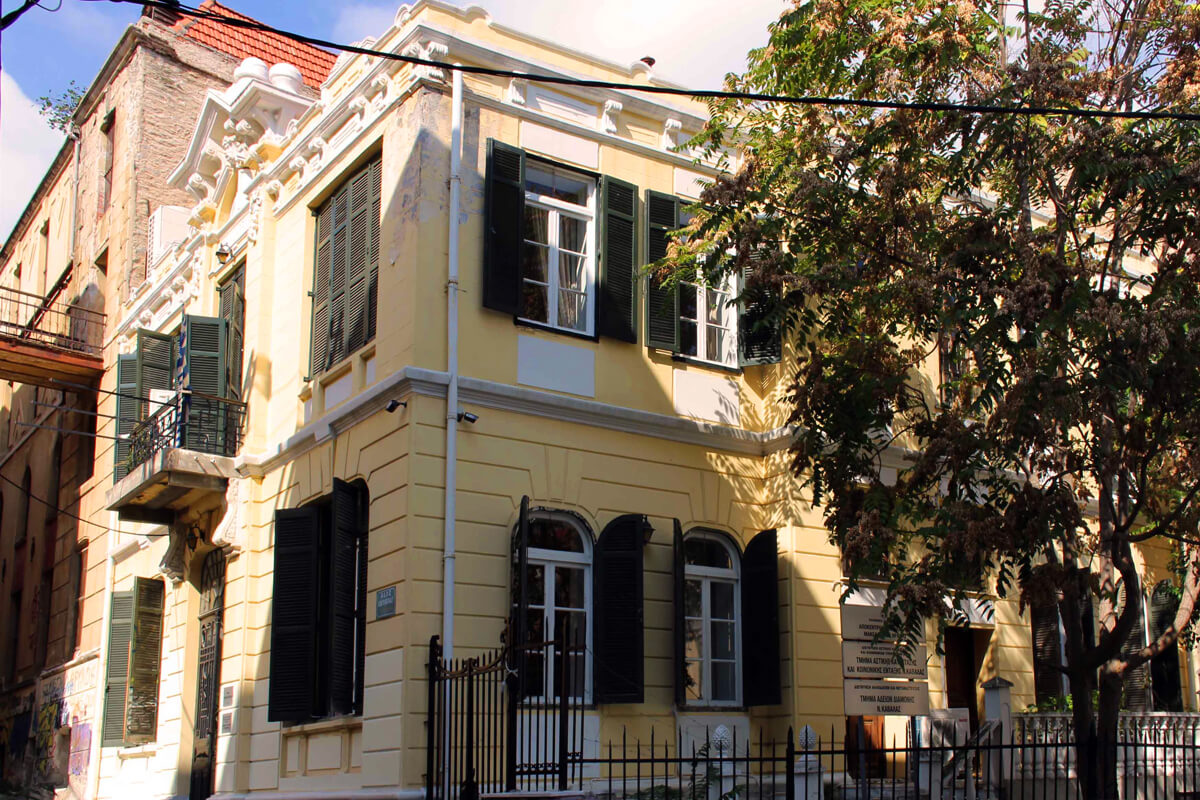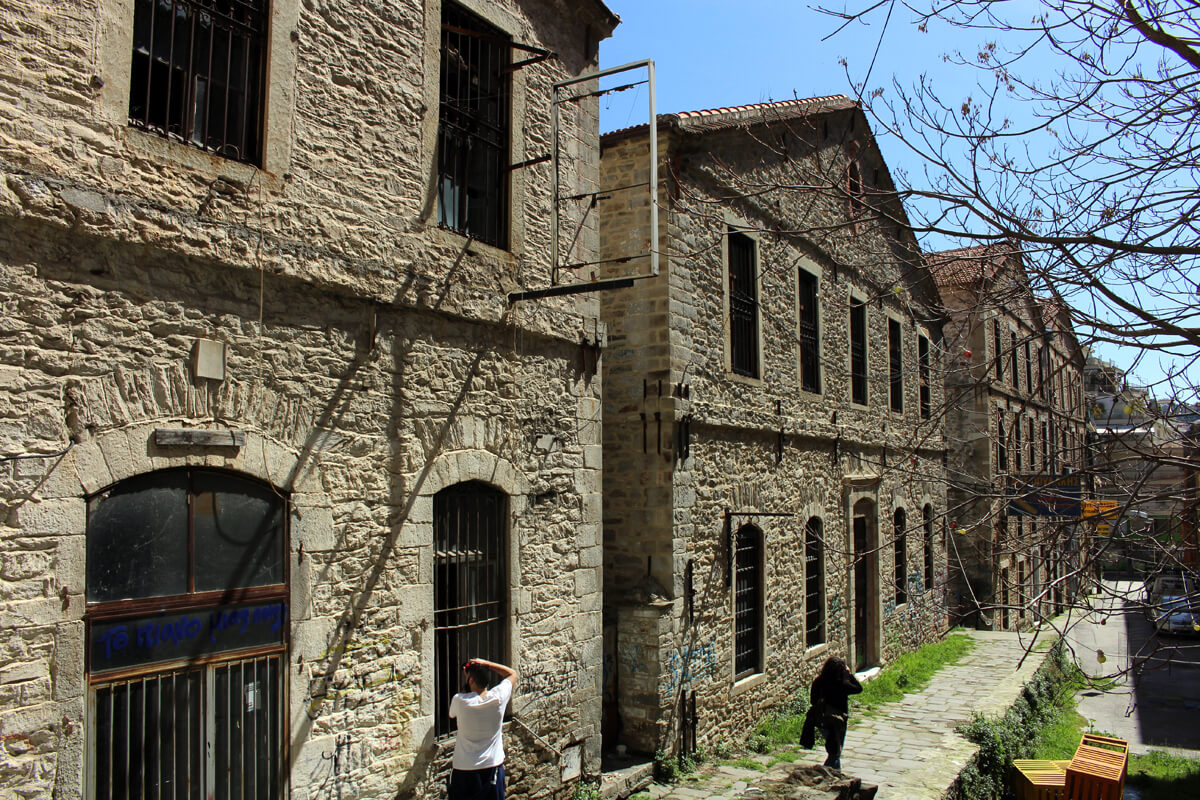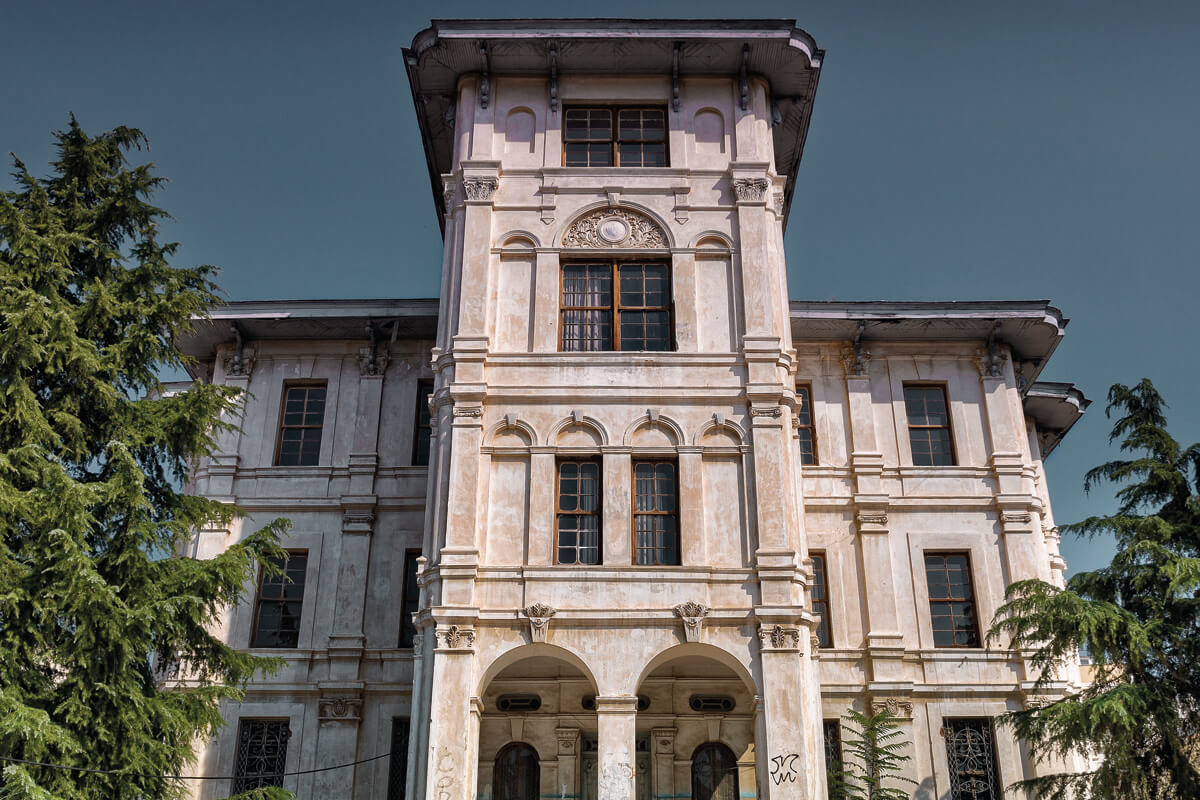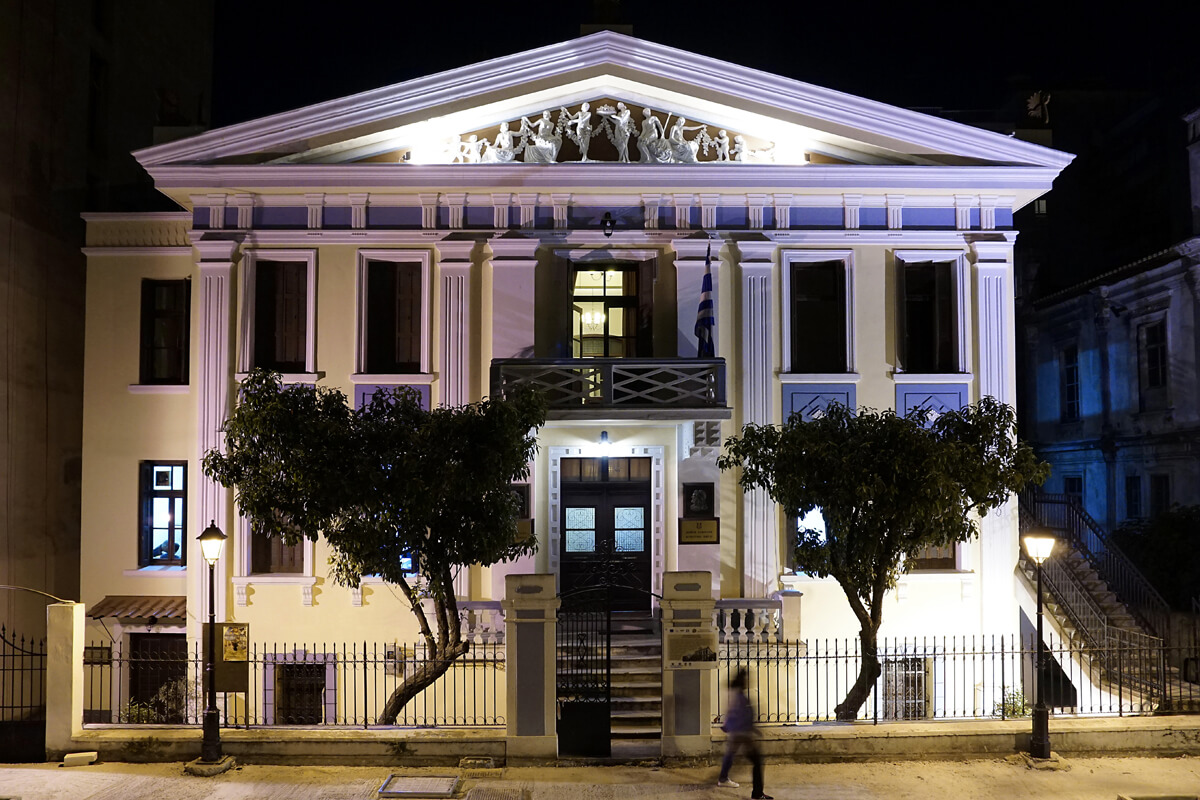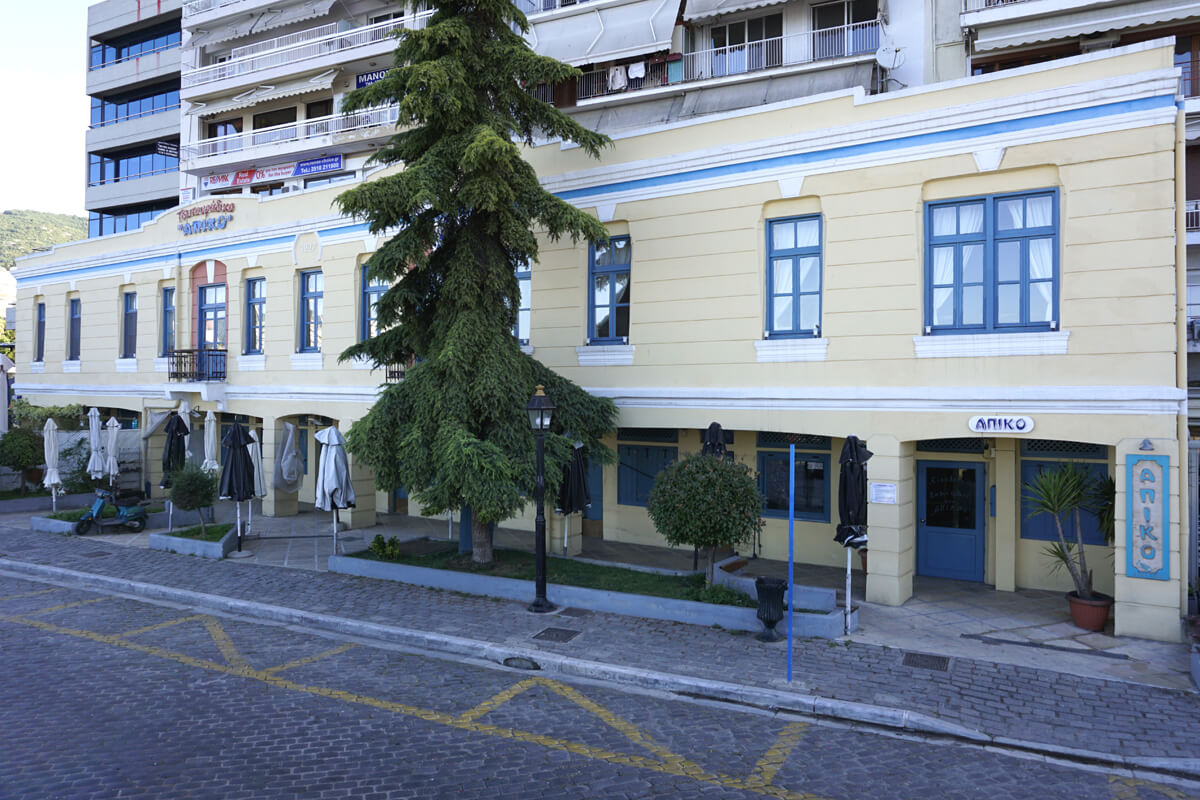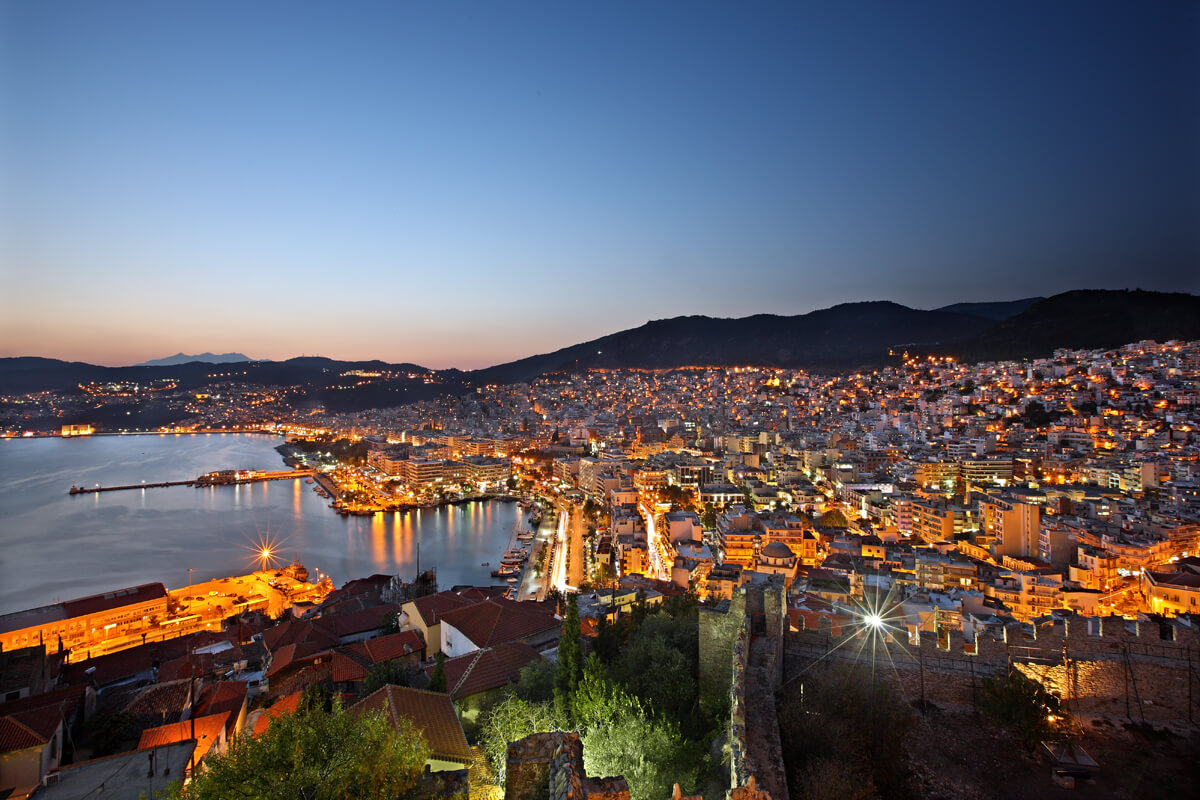
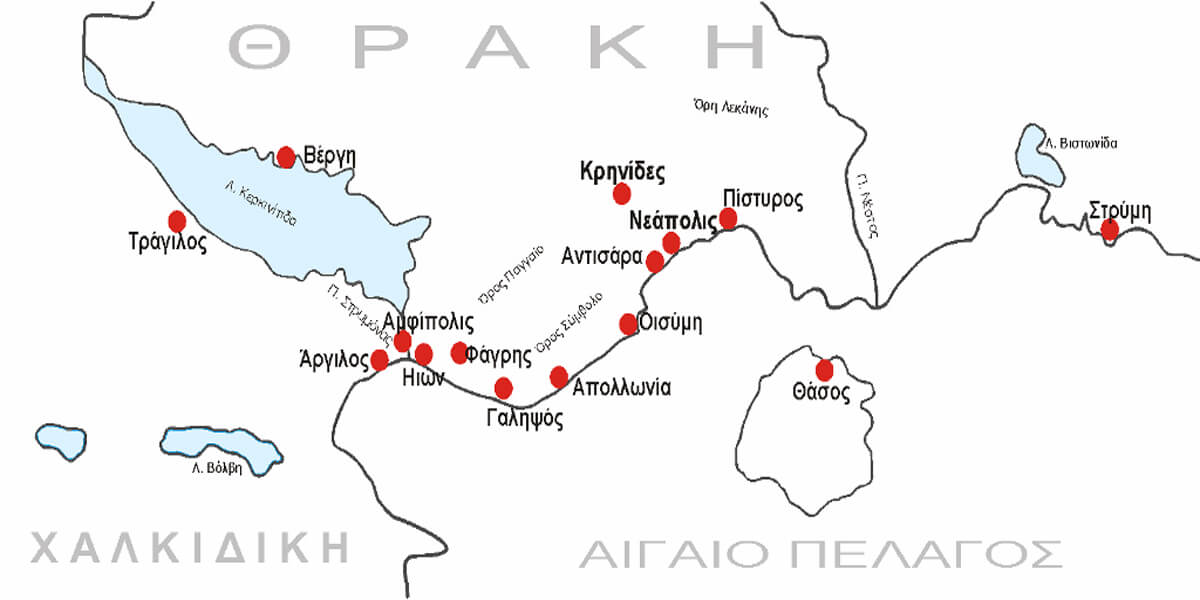
Its geographical location, its natural port and its adjacency with gold-bearing Mt Pangaion make Kavala one of the oldest coastal cities in the area, with its traces being lost in the depths of prehistory.
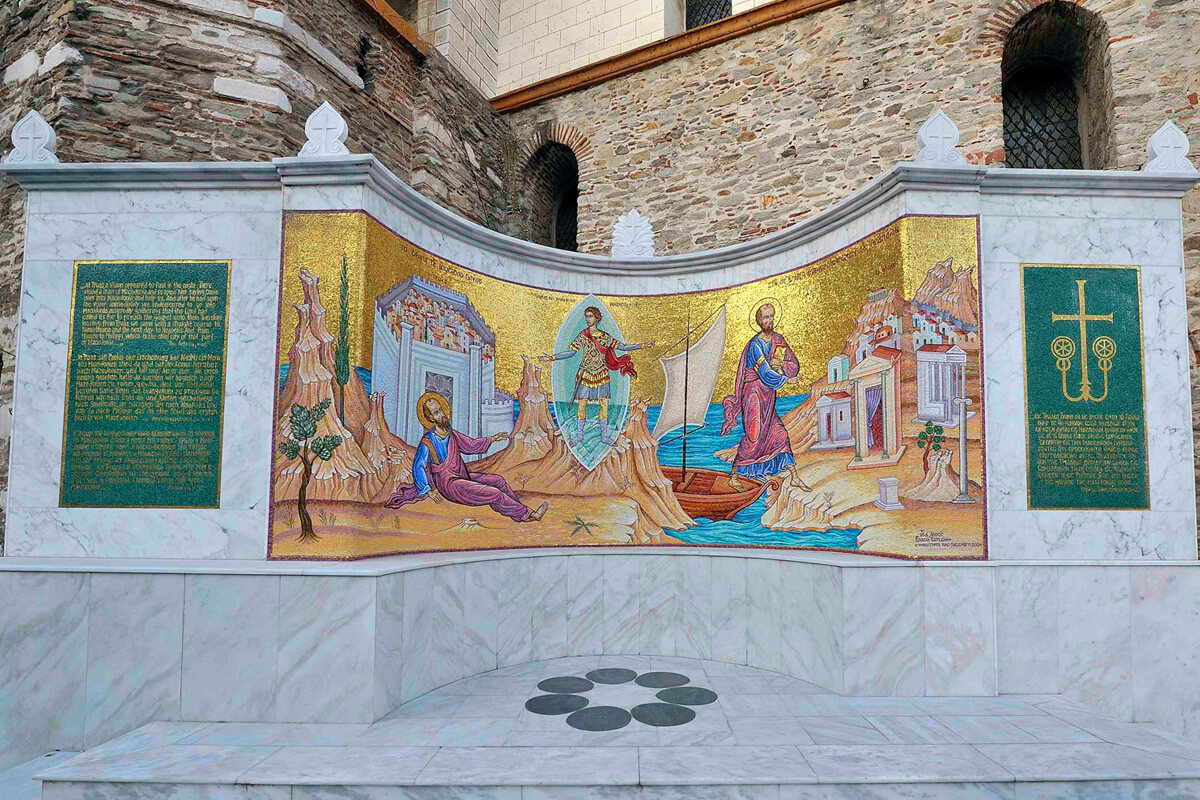
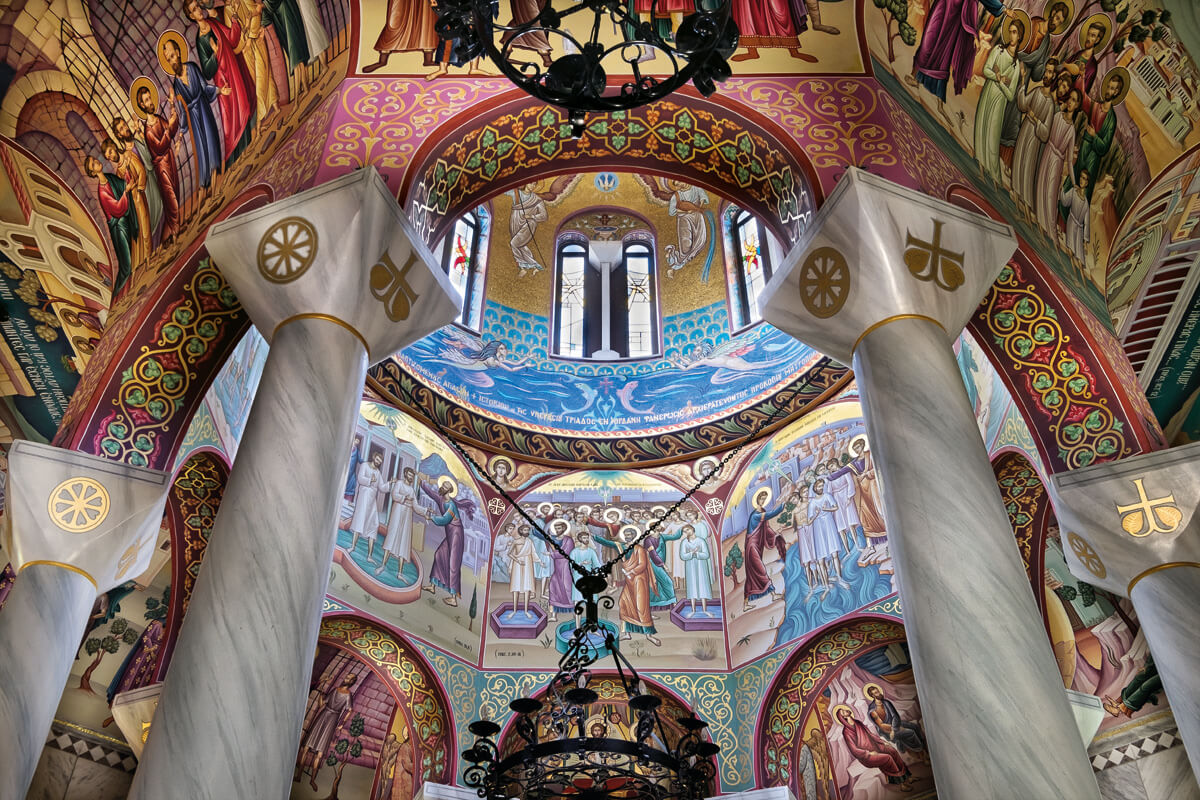
It was to this town that the Apostle Paul came to teach the message of Christianity for the first time in Europe in 49 AD, and baptised Lydia, the first European Christian woman, on the banks of the River Zygaktis.
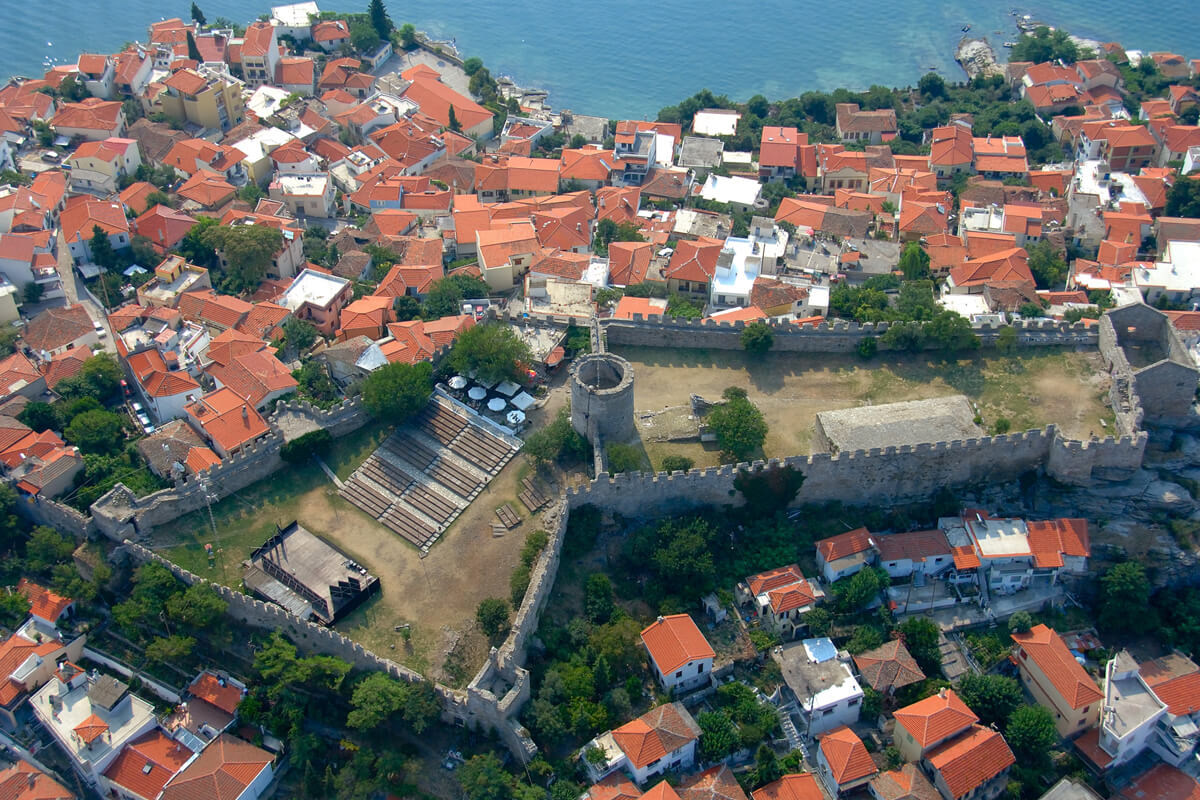
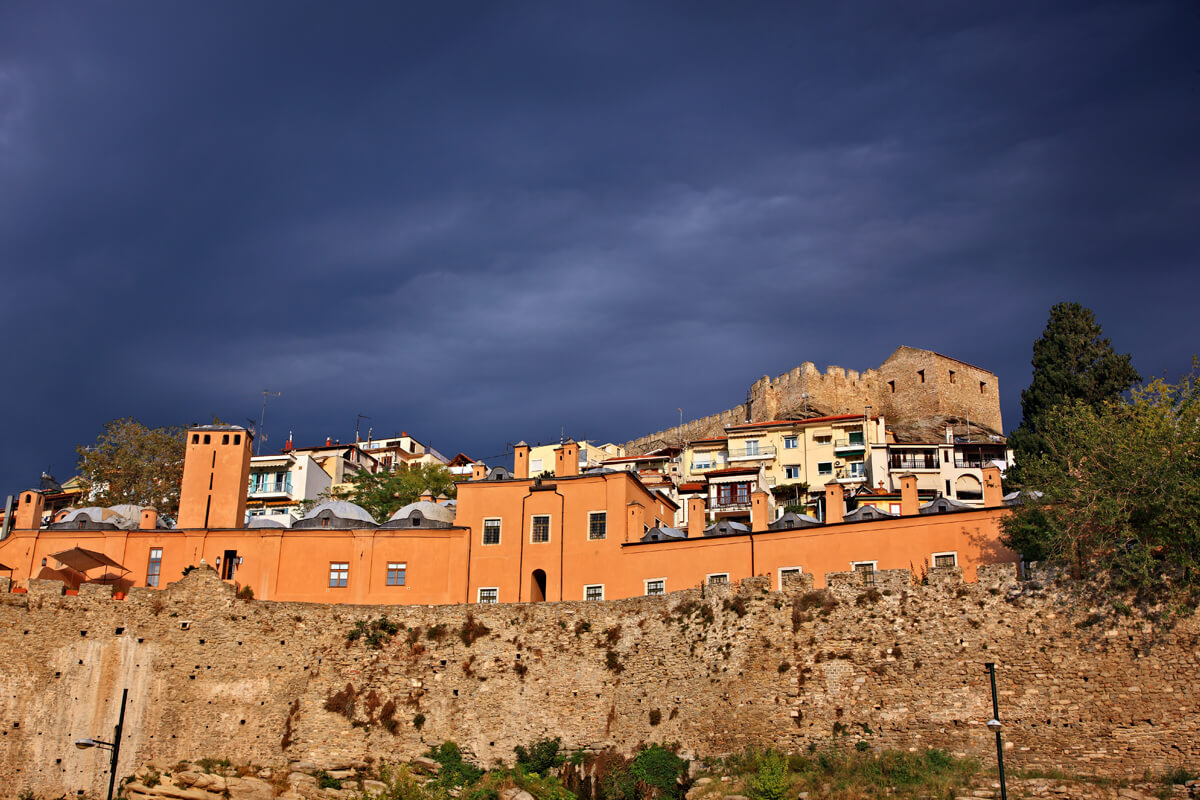
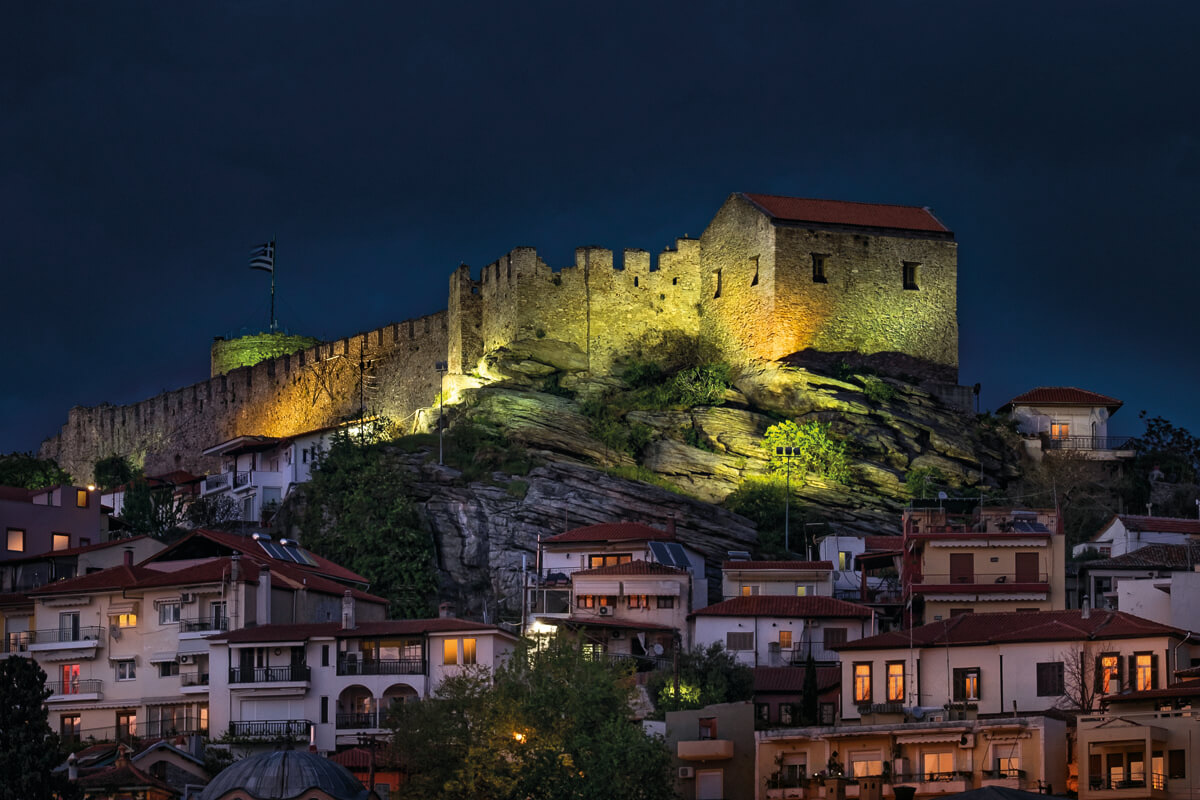
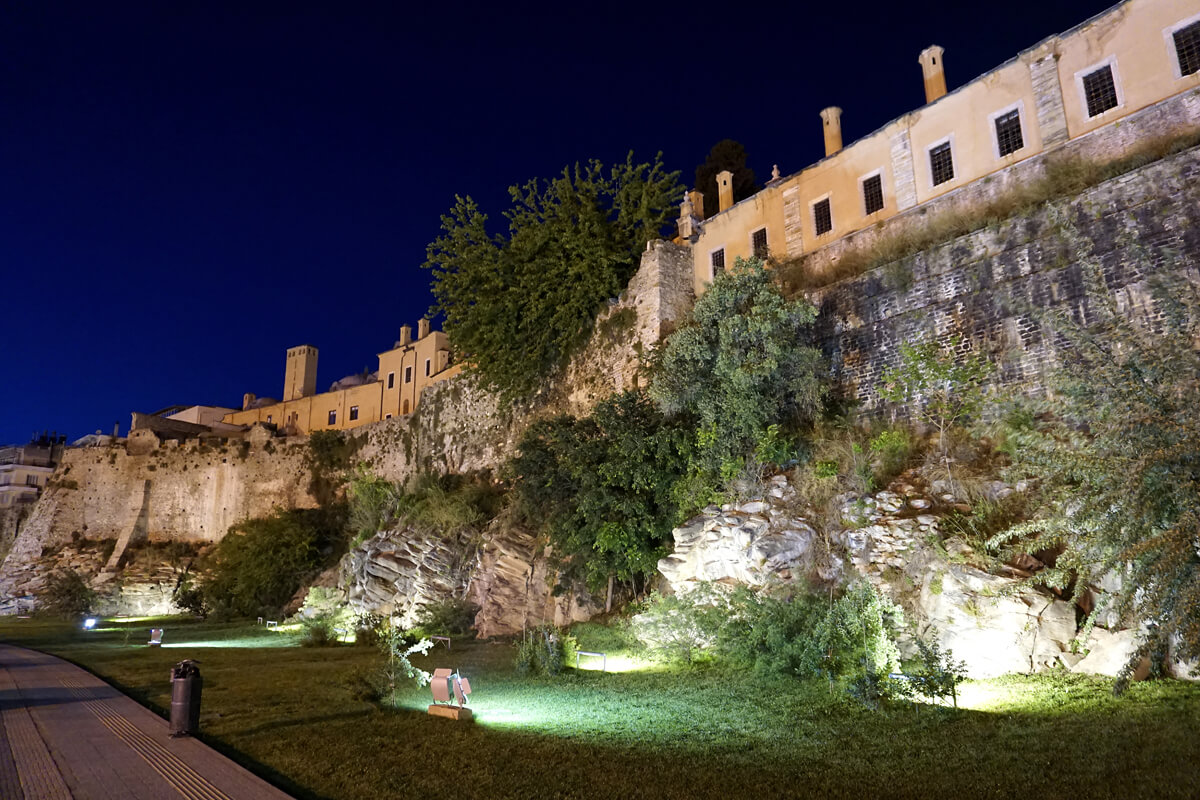
Until 1864, the Old Town was confined to the triangular peninsula on Kavala hill, which was itself a continuation of ancient Neapolis and Byzantine Christoupolis. Within this same space, the same city appeared in different eras, and with different names. Each name was characteristic and corresponded to a historical period. Neapolis in ancient times, Christoupolis during the Byzantine period, and Kavala in the modern era.
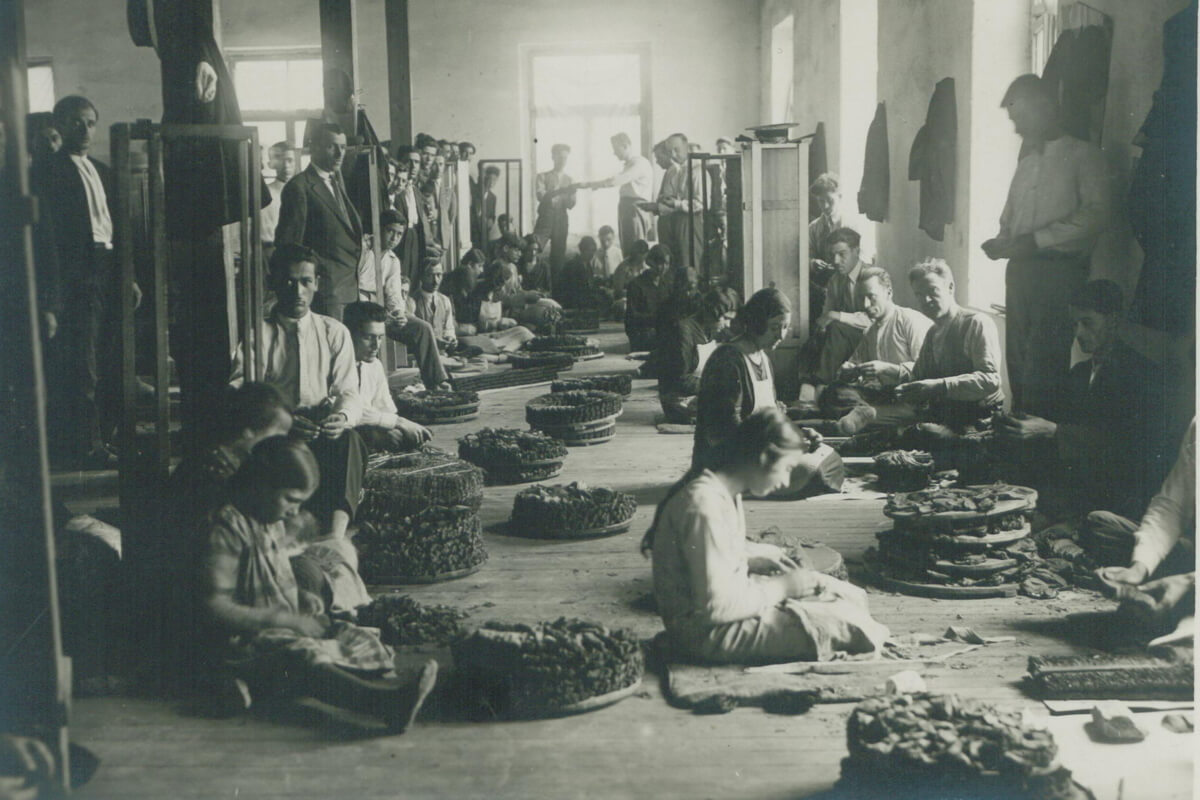
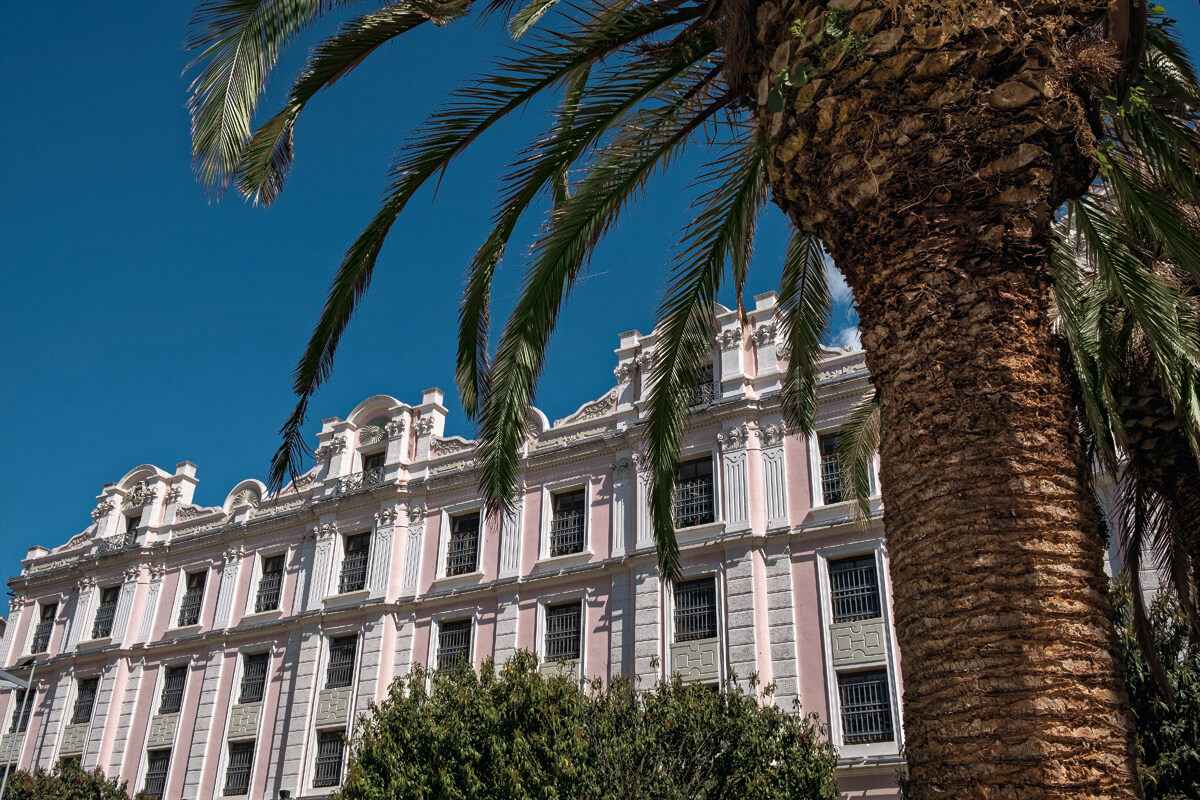
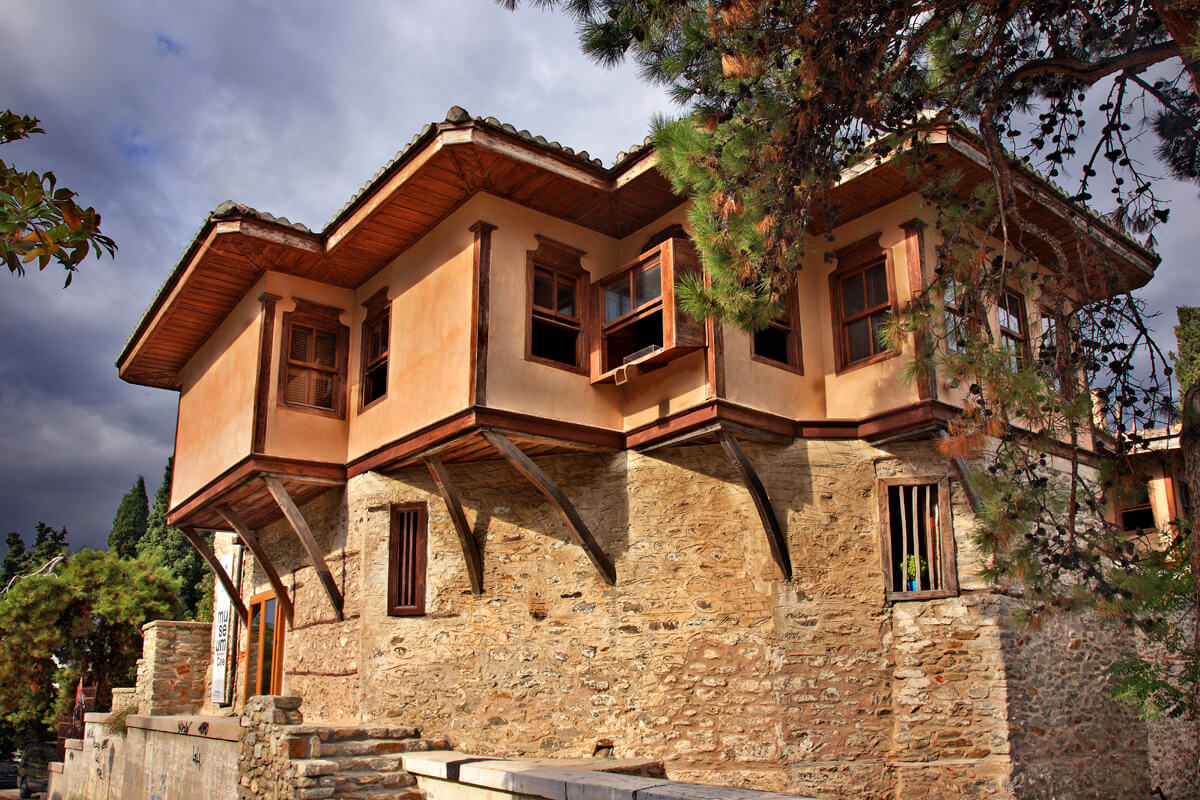
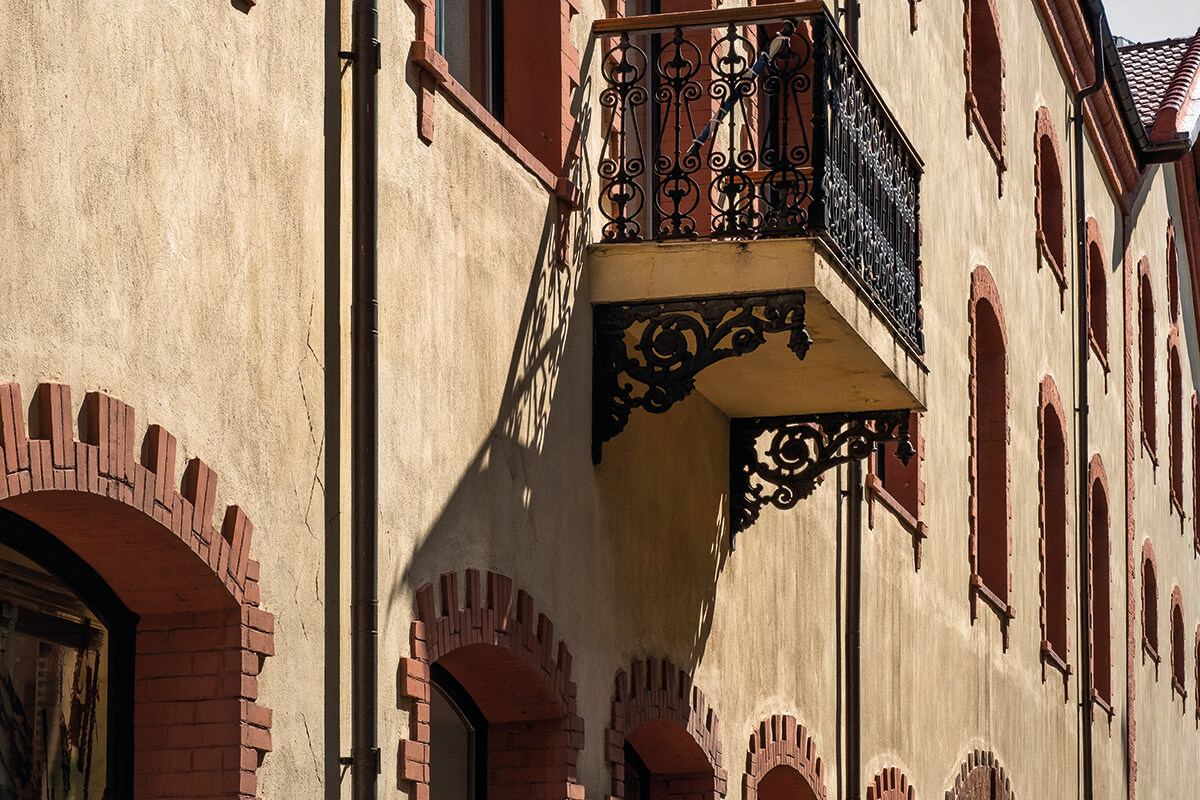
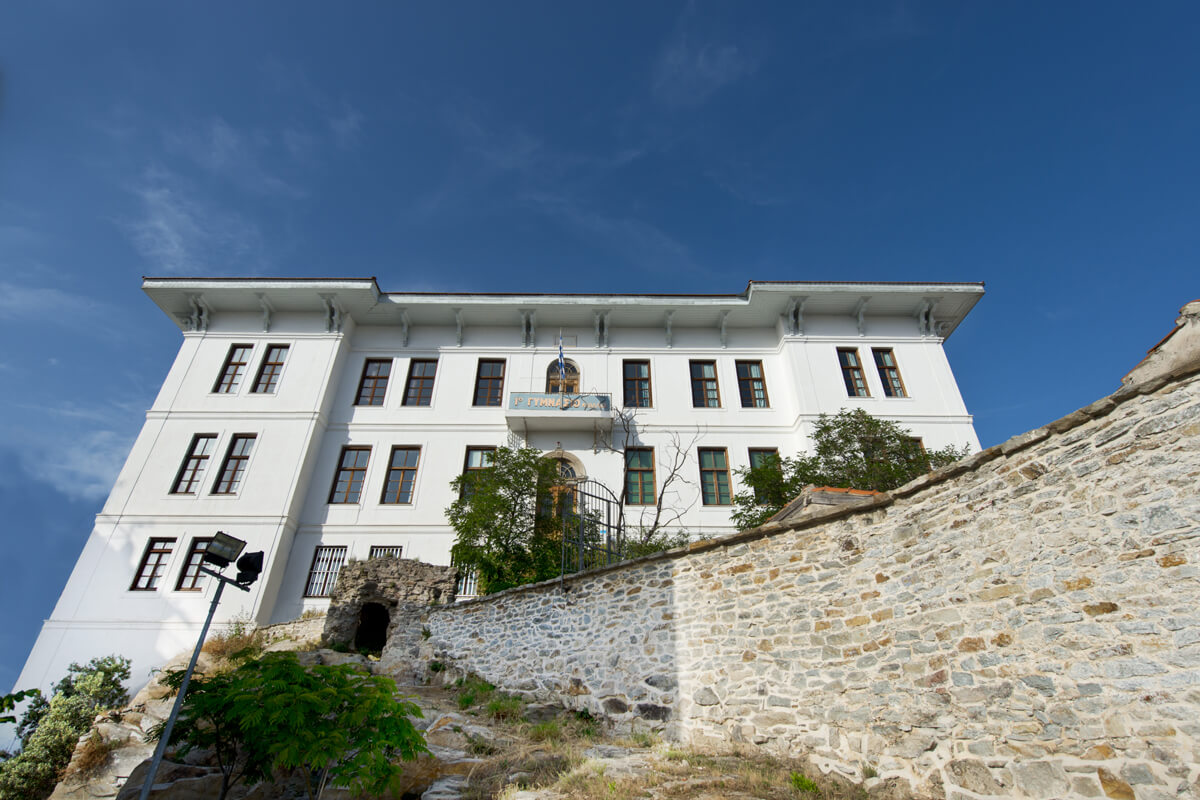
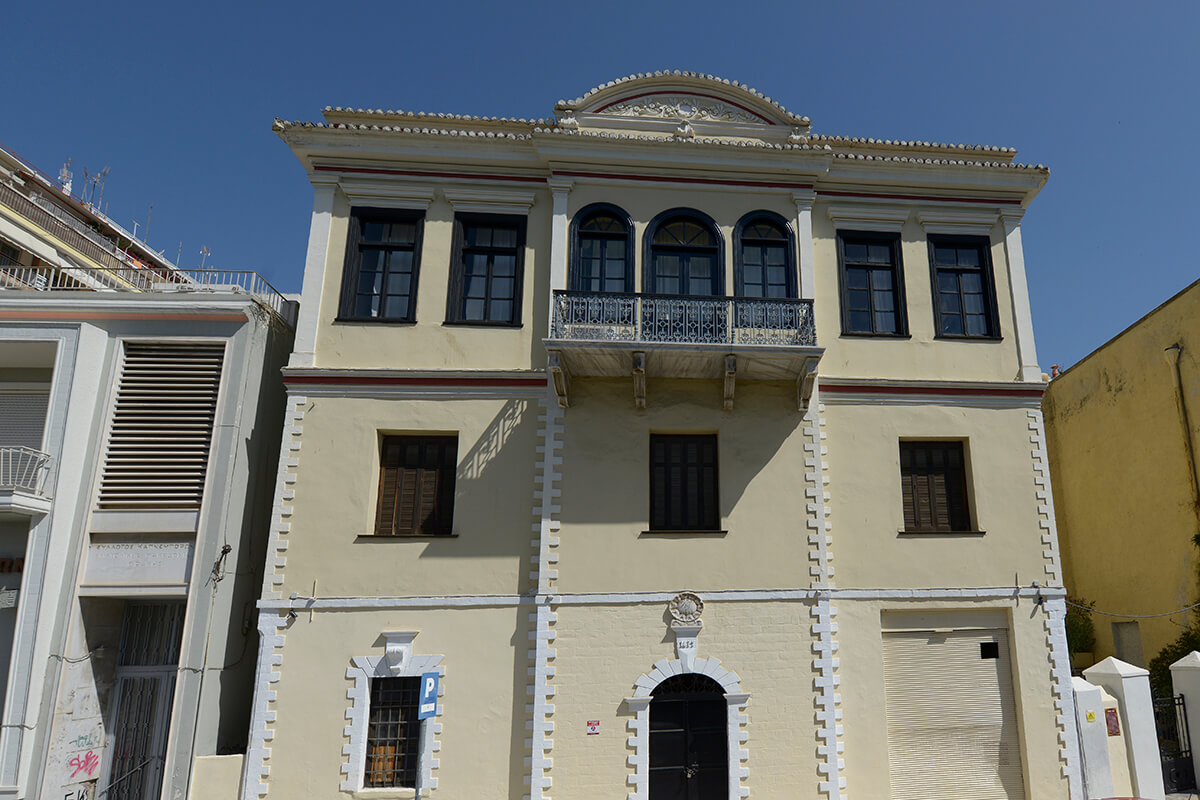
During the Ottoman period, the town was razed to the ground, to be reborn from its ashes and, from the 18th century, once again became an important commercial port, acquiring its current, modern appearance.

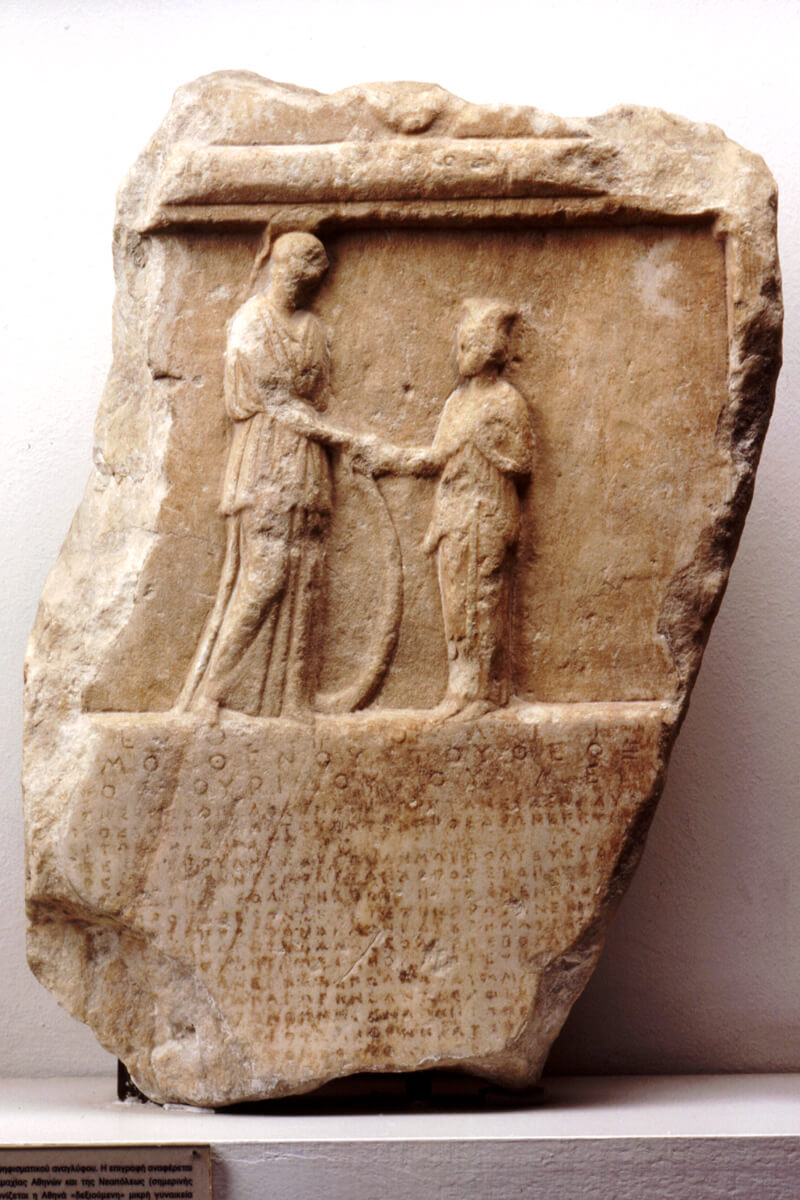
 In 355 BC, Neapolis sent two ambassadors to Athens – Demosthenes Theoxenus and Dioscurides Ameipsios – who were welcomed with the full honours that were due to consuls and benefactors. This event has come down to us thanks to an Athenian vote that was recorded on a stele, or column. The upper part of the stele is decorated with a valuable relief of the figure of the goddess Parthenos, the patron of Neapolis, clasping hands with the goddess Athena. This vote is today exhibited in the National Archaeological Museum, and there is also a copy of it in the Archaeological Museum of Kavala.